AI Productivity Training For Beginners
Ai Productivity Training For Beginners · 4 min read
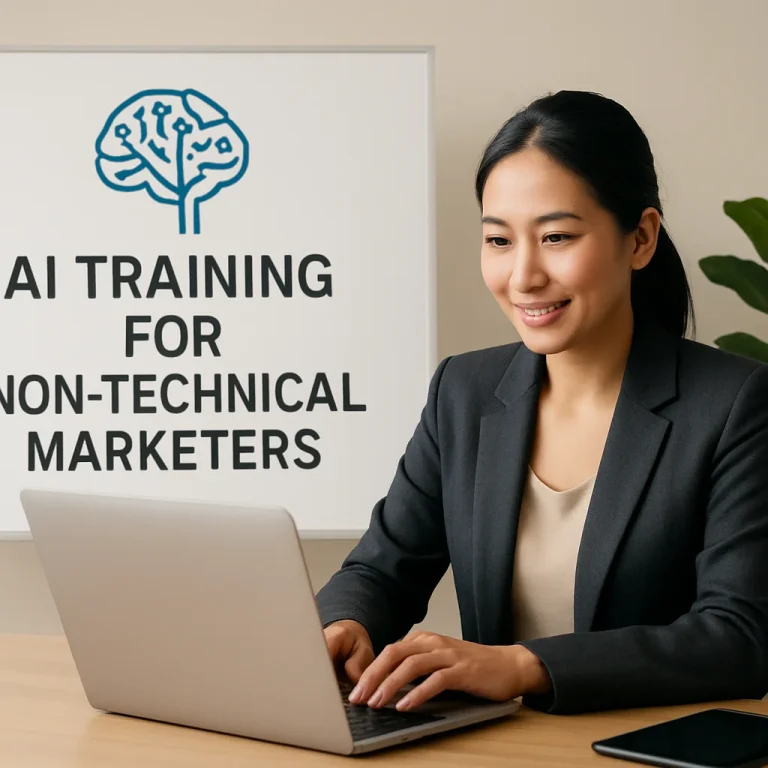
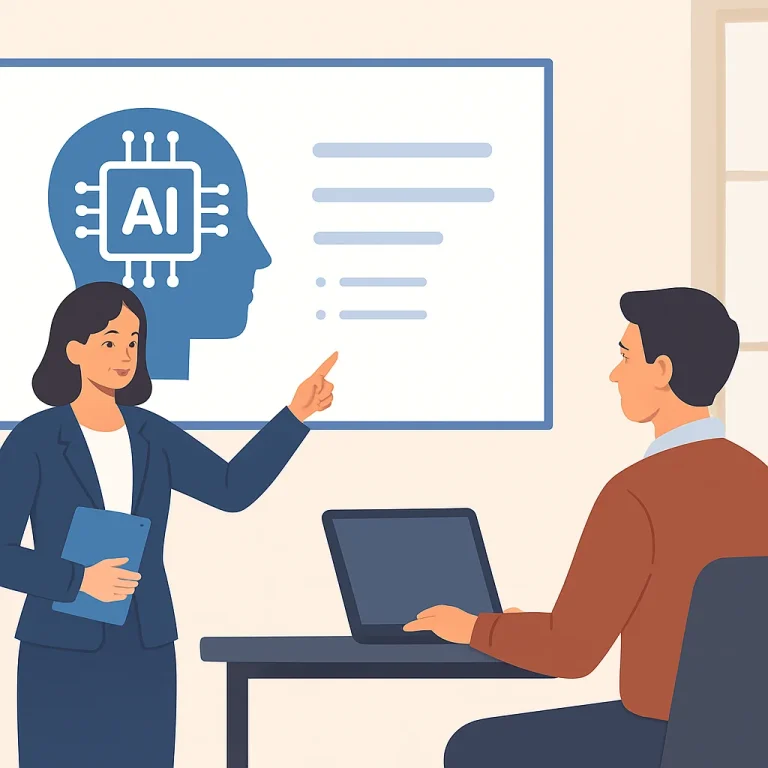
AI productivity training for beginners equips non-technical professionals with the necessary skills to efficiently integrate artificial intelligence into their workflows. This training focuses on tailored approaches for different industries, ensuring a comprehensive understanding of AI tools and their practical applications.
In this article, you’ll learn about the various aspects of AI productivity training for beginners, including industry-specific approaches, essential tools, and methodologies for effective learning. We’ll also explore real-world applications and provide insights on how organizations in Asia are leveraging AI for improved productivity.
Understanding AI and Its Relevance in the Workplace
Artificial Intelligence (AI) has rapidly evolved, transforming how businesses operate across various sectors. From automating routine tasks to providing data-driven insights, AI’s influence on productivity cannot be overstated. For beginners, understanding the fundamentals of AI and its applications is crucial.
By participating in AI productivity training, beginners gain valuable skills that can be directly applied to their roles, whether in marketing, finance, healthcare, or any other sector.
Tailored Approaches for Different Industries
AI productivity training isn’t one-size-fits-all. Different industries require distinct strategies to maximize the benefits of AI. Here’s how various sectors can approach AI training:
1. Marketing and Sales
Professionals in marketing and sales can leverage AI tools to analyze customer data, personalize campaigns, and predict trends. Training should focus on:
2. Finance
In finance, AI can enhance decision-making processes by analyzing vast amounts of data quickly. Training for finance professionals should include:
3. Healthcare
AI is revolutionizing healthcare by improving diagnostics and patient care. Training programs for healthcare professionals should cover:
Each industry necessitates a customized approach to AI productivity training, focusing on relevant tools and techniques that align with specific job functions.
Essential Tools for AI Productivity Training
For beginners, gaining familiarity with essential AI tools is crucial. Here are some widely used tools that can significantly enhance productivity:
1. Microsoft Power BI
Power BI is a business analytics tool that helps visualize data and share insights across an organization. Training on Power BI can enable beginners to create reports and dashboards that facilitate informed decision-making.
2. Google Cloud AI
Google Cloud offers various AI and machine learning tools that can be integrated into business solutions. Training on these tools can help professionals understand how to deploy AI models effectively.
3. ChatGPT
OpenAI’s ChatGPT serves as a powerful tool for generating content and automating customer service inquiries. Training on ChatGPT can assist professionals in utilizing AI for enhanced communication strategies.
By integrating these tools into training programs, organizations can empower employees to harness the power of AI effectively.
Effective Learning Methodologies
To ensure successful AI productivity training for beginners, it’s essential to adopt effective learning methodologies. Here are some recommended approaches:
1. Hands-On Workshops
Hands-on workshops provide practical experience with AI tools, allowing participants to apply their knowledge in real-time. This approach enhances retention and understanding.
2. Online Courses
Online platforms like Coursera and Udacity offer courses tailored to beginners. These courses often include video lectures, quizzes, and community interactions that facilitate learning.
3. Peer Learning Groups
Establishing peer learning groups encourages collaboration and discussion among participants. Sharing experiences and challenges can lead to deeper insights and understanding.
Each of these methodologies supports a comprehensive learning experience, ensuring that participants not only grasp AI concepts but can also apply them practically.
Real-World Applications of AI in Asia
Organizations across Asia are adopting AI to drive productivity and innovation. Here are a few notable examples:
1. Alibaba
Alibaba has implemented AI in its e-commerce platform to enhance customer experience through personalized recommendations. This approach has significantly increased conversion rates and customer satisfaction.
2. Grab
Grab, a Southeast Asian ride-hailing service, uses AI algorithms to optimize route planning and improve driver efficiency. This capability has reduced wait times and increased customer trust.
3. Tata Consultancy Services (TCS)
TCS leverages AI to optimize supply chain management for its clients. By analyzing data patterns, TCS helps businesses reduce costs and improve operational efficiency.
These examples highlight how organizations are effectively using AI to boost productivity, showcasing the importance of AI training for professionals in the region.
The Role of Local Experts in AI Training
Utilizing local experts can enhance the relevance and effectiveness of AI productivity training. Here’s how they contribute:
By incorporating local expertise into training programs, organizations can ensure that their AI initiatives are not only effective but also culturally and contextually appropriate.
Conclusion
AI productivity training for beginners is essential for equipping non-technical professionals with the skills required to thrive in an increasingly AI-driven workplace. By focusing on tailored approaches for different industries, essential tools, effective learning methodologies, and the involvement of local experts, organizations can enhance their workforce’s capabilities and foster a culture of innovation.
Investing in AI training not only boosts individual productivity but also contributes to overall organizational success. For those looking to enhance their understanding of AI and its applications, participating in dedicated training programs is a vital step forward.