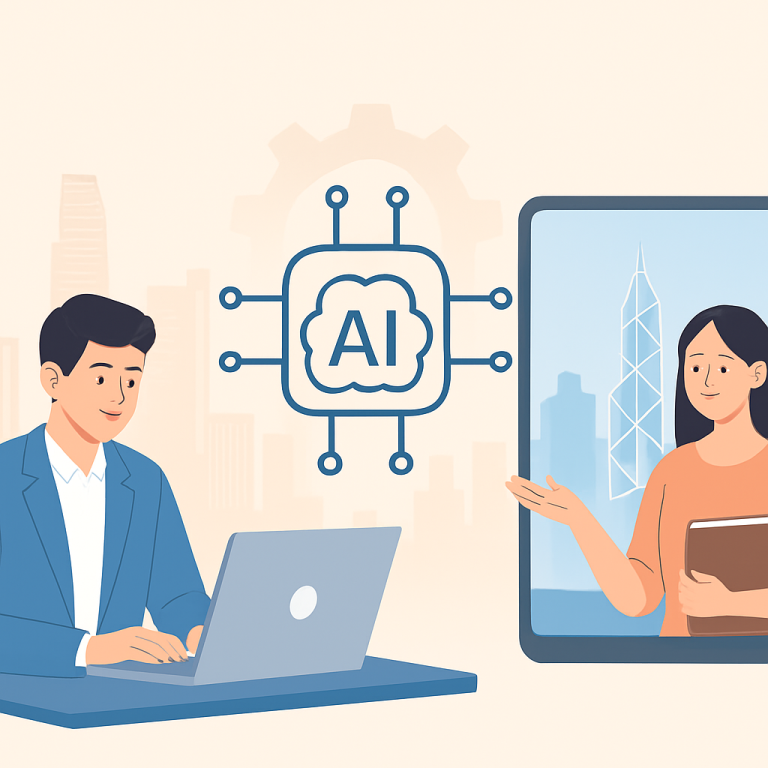
Setting AI Standards in Education: Hong Kong’s Role in Asia
Understanding AI Education Standards in Hong Kong
As the digital landscape evolves, AI education standards in Hong Kong have become a critical area of focus. With the rapid integration of artificial intelligence into educational frameworks across Asia, Hong Kong stands at the forefront, positioning itself as a leader in defining these standards. This is particularly relevant now as technological advancements reshape educational methodologies and learning experiences.
The Importance of Setting Standards
Establishing clear AI education standards is essential for several reasons:
- Quality Assurance: Standards ensure that educational institutions provide quality AI education that meets international benchmarks.
- Equity in Education: By standardizing AI education, all students, regardless of their background, have access to the same quality of instruction and resources.
- Workforce Preparedness: As industries increasingly adopt AI technologies, students must be equipped with the knowledge and skills necessary to thrive in the job market.
Hong Kong’s Strategic Initiatives
Hong Kong’s government and educational institutions have implemented several initiatives aimed at setting robust AI education standards:
- Curriculum Development: The incorporation of AI into the curriculum at various educational levels ensures that students gain foundational knowledge and skills early on.
- Partnerships with Tech Companies: Collaborations with leading tech firms allow schools to integrate cutting-edge AI tools and resources into their teaching practices. For example, [LINK_TO: developing AI solutions for education: Sasbadi and Agmo’s collaborative efforts] showcases how partnerships can enhance learning experiences.
- Teacher Training Programs: Professional development for educators on AI technologies is crucial for effective teaching. Initiatives like [LINK_TO: building the next-generation AI workforce: insights from AWS collaboration] are essential in this regard.
Challenges to Overcome
While Hong Kong is taking significant strides in AI education, several challenges remain:
- Resource Allocation: Adequate funding and resources are necessary to implement AI programs effectively across all schools.
- Public Perception: There may be skepticism regarding the relevance of AI education, necessitating campaigns to raise awareness on its importance.
- Rapid Technological Changes: Keeping up with the fast-paced evolution of AI technologies requires continuous updates to educational content and methods.
The Role of Regional Collaboration
Hong Kong’s position as a leader in AI education standards can be further strengthened through collaboration with other Asian countries. Initiatives like [LINK_TO: AI education innovations in Southeast Asia: a comprehensive overview] highlight how sharing best practices and resources can enhance overall educational quality across the region.
Future Prospects
Looking ahead, Hong Kong’s role in shaping AI education standards will be pivotal. As the city continues to develop its educational frameworks, the emphasis on AI literacy will likely result in a more competent workforce ready for the challenges of tomorrow.
Conclusion: Why Hong Kong’s Leadership Matters
In conclusion, setting AI education standards in Hong Kong is not just about enhancing local education; it has regional implications that can influence the entire Asian educational landscape. As global competition intensifies, the standards set forth in Hong Kong will help ensure that students are not only prepared for the future but are also capable of driving innovation across various sectors. For further insights into how AI is transforming education, explore [LINK_TO: the impact of AI on learning outcomes: case studies from Asia].
Call to Action: Stay informed about the evolution of AI education standards in Hong Kong and beyond. Subscribe to our newsletter for the latest updates and expert insights!