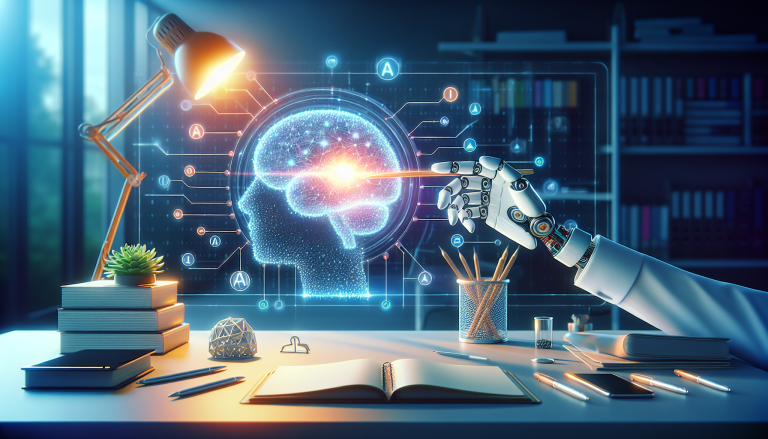
The AI Marketing Course Singapore provides an in-depth exploration into the intersection of artificial intelligence and marketing, equipping learners with practical skills and strategies to thrive in a data-driven economy. Participants can expect a curriculum that covers the latest AI tools, techniques, and trends, enabling them to implement AI-driven marketing strategies effectively.
In this article, you will learn about the unique offerings of the AI Marketing Course in Singapore, including its structure, benefits, and how it stands out from traditional marketing courses. We’ll also discuss the practical applications of AI in marketing, success stories from past participants, and tips for choosing the right course for your needs.
What is AI Marketing?
AI marketing refers to using artificial intelligence technologies to analyze consumer behavior, enhance marketing strategies, and optimize campaigns. This can involve data analysis, predictive analytics, customer segmentation, and personalization strategies that adapt to user interactions.
By integrating AI into marketing, businesses can achieve more efficient operations, create tailored customer experiences, and ultimately drive revenue growth.
Why Take an AI Marketing Course?
The digital landscape is evolving rapidly, and understanding AI’s role in marketing is becoming increasingly essential. The AI Marketing Course in Singapore offers several benefits:
<!– wp:kadence/listitem {"text":"Up-to-date Knowledge: The course provides the latest insights and trends in AI and marketing.”,”icon”:”fe_chevronRight”,”uniqueID”:”_8fad22″} –>
<strong>Up-to-date Knowledge</strong>: The course provides the latest insights and trends in AI and marketing.
<!– wp:kadence/listitem {"text":"Hands-On Experience: Practical case studies and projects help learners apply their knowledge.”,”icon”:”fe_chevronRight”,”uniqueID”:”_265200″} –>
<strong>Hands-On Experience</strong>: Practical case studies and projects help learners apply their knowledge.
<!– wp:kadence/listitem {"text":"Networking Opportunities: Connect with industry professionals and experts.”,”icon”:”fe_chevronRight”,”uniqueID”:”_81b4c7″} –>
<strong>Networking Opportunities</strong>: Connect with industry professionals and experts.
If you’re looking to elevate your marketing skills, this course is a solid investment.
Course Structure and Content
The AI Marketing Course in Singapore typically spans a few weeks, with a mix of online and in-person sessions. Here’s a breakdown of what you can expect:
Week 1: Introduction to AI in Marketing
Overview of AI technologies
Historical context and evolution of AI in marketing
Current trends and future outlook
Week 2: Data Analytics and AI Tools
Introduction to data analytics
Tools like Google Analytics, Tableau, and AI-driven platforms
Hands-on exercises with real-world data
Week 3: Customer Segmentation and Targeting
Techniques for effective customer segmentation
Using AI for targeted marketing campaigns
Practical examples from brands like Netflix and Amazon
Week 4: Personalization and User Experience
Importance of personalization in marketing
AI tools for enhancing user experience
Case studies on successful personalized marketing campaigns
Week 5: Ethics and Challenges of AI in Marketing
Discussion on ethical implications of AI
Challenges marketers face when implementing AI
Best practices to overcome these issues
Final Project
Participants will apply their learning to a final project, developing an AI-driven marketing strategy for a real or hypothetical company, allowing them to showcase their skills and understanding of the material.
Unique Offerings of the Course
Several features set the AI Marketing Course in Singapore apart from other programs:
<!– wp:kadence/listitem {"text":"Local Expertise: The course is often led by local experts who understand the Asian market’s specific needs, providing relevant insights that cater to regional nuances.”,”icon”:”fe_chevronRight”,”uniqueID”:”_79cc2a”} –>
<strong>Local Expertise</strong>: The course is often led by local experts who understand the Asian market's specific needs, providing relevant insights that cater to regional nuances.
<!– wp:kadence/listitem {"text":"Customized Learning Paths: Depending on your background, you can tailor your learning experience to focus on areas that interest you the most.”,”icon”:”fe_chevronRight”,”uniqueID”:”_2ae52f”} –>
<strong>Customized Learning Paths</strong>: Depending on your background, you can tailor your learning experience to focus on areas that interest you the most.
<!– wp:kadence/listitem {"text":"Networking and Collaboration: Opportunities for group projects and discussions foster a collaborative learning environment, encouraging participants to share insights and experiences.”,”icon”:”fe_chevronRight”,”uniqueID”:”_f7f4e1″} –>
<strong>Networking and Collaboration</strong>: Opportunities for group projects and discussions foster a collaborative learning environment, encouraging participants to share insights and experiences.
Real-World Applications of AI in Marketing
Understanding the theory behind AI is essential, but it’s equally important to see how it applies in the real world. Here are a few notable examples of companies leveraging AI in their marketing strategies:
<!– wp:kadence/listitem {"text":"Coca-Cola: They use AI to analyze data from social media to gauge customer sentiment and adapt their marketing accordingly.”,”icon”:”fe_chevronRight”,”uniqueID”:”_84d167″} –>
<strong>Coca-Cola</strong>: They use AI to analyze data from social media to gauge customer sentiment and adapt their marketing accordingly.
<!– wp:kadence/listitem {"text":"Sephora: The beauty giant employs AI for personalized product recommendations and virtual try-ons, enhancing customer experience.”,”icon”:”fe_chevronRight”,”uniqueID”:”_f01e4e”} –>
<strong>Sephora</strong>: The beauty giant employs AI for personalized product recommendations and virtual try-ons, enhancing customer experience.
<!– wp:kadence/listitem {"text":"H&M: This fashion retailer uses AI to optimize inventory management and predict fashion trends based on customer data.”,”icon”:”fe_chevronRight”,”uniqueID”:”_4dd7b4″} –>
<strong>H&M</strong>: This fashion retailer uses AI to optimize inventory management and predict fashion trends based on customer data.
These examples illustrate how AI can transform marketing efforts, making them more effective and targeted.
Success Stories from Past Participants
Many past participants of the AI Marketing Course have gone on to implement AI strategies in their organizations successfully. For instance, a graduate who was working in a retail company used the knowledge gained from the course to launch a targeted email campaign that resulted in a 30% increase in customer engagement.
Another participant, who was involved in digital marketing for a tech startup, integrated AI tools for customer segmentation, leading to a significant boost in conversion rates.
These success stories underline the course’s practical value and its potential to impact careers positively.
How to Choose the Right AI Marketing Course
Selecting the right course can be overwhelming, given the number of options available. Here are some factors to consider:
<!– wp:kadence/listitem {"text":"Accreditation: Ensure the course is recognized by industry organizations.”,”icon”:”fe_chevronRight”,”uniqueID”:”_543a66″} –>
<strong>Accreditation</strong>: Ensure the course is recognized by industry organizations.
<!– wp:kadence/listitem {"text":"Curriculum: Look for a comprehensive syllabus that covers both theoretical and practical aspects of AI in marketing.”,”icon”:”fe_chevronRight”,”uniqueID”:”_c922b9″} –>
<strong>Curriculum</strong>: Look for a comprehensive syllabus that covers both theoretical and practical aspects of AI in marketing.
<!– wp:kadence/listitem {"text":"Instructor Profiles: Research the backgrounds of the instructors and their expertise in AI and marketing.”,”icon”:”fe_chevronRight”,”uniqueID”:”_767927″} –>
<strong>Instructor Profiles</strong>: Research the backgrounds of the instructors and their expertise in AI and marketing.
<!– wp:kadence/listitem {"text":"Reviews and Testimonials: Check for feedback from former students to gauge the course’s effectiveness.”,”icon”:”fe_chevronRight”,”uniqueID”:”_623fdc”} –>
<strong>Reviews and Testimonials</strong>: Check for feedback from former students to gauge the course's effectiveness.
By taking these factors into account, you can find a course that aligns well with your career goals and learning preferences.
The Future of AI in Marketing
As AI continues to evolve, its applications in marketing will only expand. Businesses that adopt AI strategies will likely gain a competitive edge, allowing them to respond quickly to market changes and consumer demands.
The AI Marketing Course in Singapore prepares participants to take full advantage of these advancements, ensuring that they remain relevant in a rapidly changing landscape.
Conclusion
The AI Marketing Course Singapore offers a robust program designed to equip marketers with the necessary skills to embrace AI technologies. With its focus on practical applications, local insights, and comprehensive curriculum, this course stands as a valuable resource for anyone looking to advance their marketing career in the digital age.
Consider enrolling today to transform your marketing approach and stay ahead in this competitive field.
Key Takeaways
Understand AI's role in marketing strategies.
Learn practical applications and tools.
Network with industry professionals.
Frequently Asked Questions
No specific qualifications are required, but a background in marketing or data analytics can be beneficial.
The course typically ranges from SGD 1,500 to SGD 2,500, depending on the institution and course length.
Yes, participants receive a certificate of completion, which can enhance your resume.
Most courses offer both online and in-person options, giving you flexibility in learning.
The course usually lasts between four to six weeks, depending on the format and schedule.
Ready to elevate your marketing skills with AI? Enroll in the AI Marketing Course today and start your journey toward becoming a leader in digital marketing!
Enjoy our AI education and solutions in Asia tips? Subscribe for more!
Chatgpt For Marketing Training ChatGPT for marketing training in Malaysia offers innovative solutions to enhance marketing strategies and optimize customer engagement. This article provides a comprehensive overview of how businesses and individuals can leverage ChatGPT to improve their marketing efforts efficiently. In this article, you’ll learn about the various applications of ChatGPT in marketing training,…
Forms: Benefits of Gymnastics for Kids’ Development Forms · 5 min read Gymnastics offers numerous physical and mental development benefits for children. Through structured forms and routines, kids can enhance their strength, flexibility, coordination, and self-esteem. This article explores these benefits in detail, including how gymnastics positively impacts children’s lives. In this article, you’ll learn…
Certified Generative AI in Business Certified Generative AI in Business · 4 min read Certified Generative AI in Business is crucial for professionals looking to excel in today’s tech-driven landscape. This certification ensures individuals possess the necessary skills and knowledge to effectively implement generative AI solutions in various business contexts. In this article, you will…