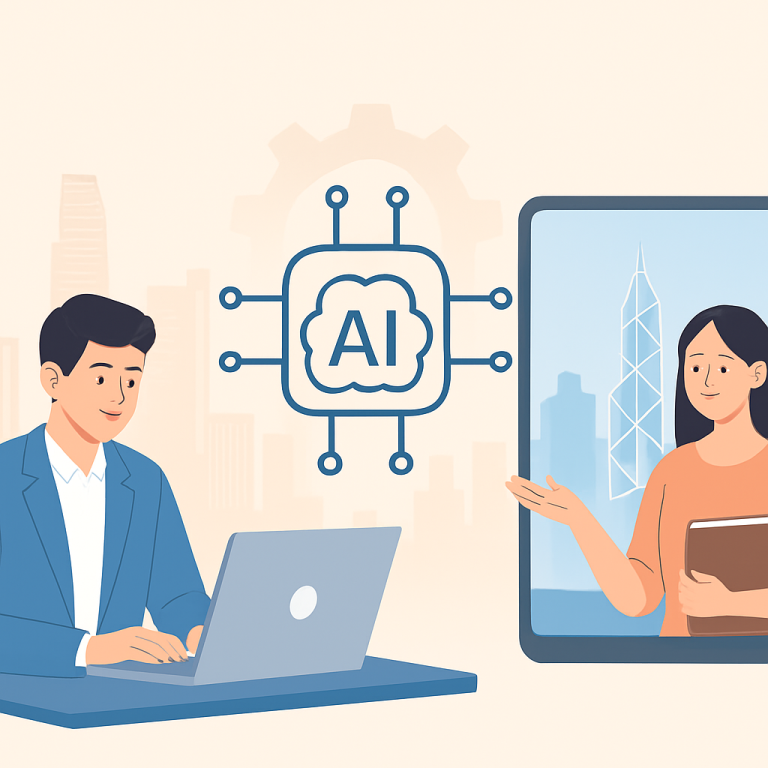
The Future of AI Education in Southeast Asia: Trends and Predictions
Table of Contents
- Introduction
- Current AI Education Trends in Southeast Asia
- The Role of AI in K-12 Education
- AI in Higher Education
- AI Education Standards in Southeast Asia
- Future Predictions for AI Education
- Conclusion
Introduction
The landscape of AI education trends in Southeast Asia is evolving rapidly, shaped by technological advancements, policy changes, and the increasing demand for skilled professionals in artificial intelligence. As countries in this region embrace AI technologies, the educational sector is undergoing significant transformations aimed at preparing students for the future job market.
Current AI Education Trends in Southeast Asia
Several key trends are emerging in AI education across Southeast Asia:
- Integration of AI in Curriculum: Educational institutions are starting to integrate AI-focused courses into their curriculum. This includes programming, data science, and machine learning.
- Online Learning Platforms: The rise of online education platforms has made it easier for students to access AI learning resources. Many local and international platforms are offering AI courses tailored to regional needs.
- Public-Private Partnerships: Collaborations between governments and tech companies are increasing, leading to the development of AI education initiatives and resources.
The Role of AI in Transforming K-12 Education
AI is not just limited to higher education; it is also making significant inroads in K-12 education. Schools are utilizing AI tools to enhance learning experiences, personalize education, and streamline administrative tasks. For an in-depth exploration of this area, read our article on The Role of AI in Transforming K-12 Education in Southeast Asia.
AI in Higher Education
In higher education, AI is reshaping how institutions deliver education and engage with students. Universities are adopting AI-driven analytics to improve student outcomes and optimize resources. For a deeper insight into the impact of AI in this sector, check out our piece on The Impact of AI on Higher Education in Indonesia.
Innovative Programs and Partnerships
Many universities are partnering with tech companies to create programs that focus on AI. These collaboration efforts are designed to equip students with the skills necessary for the evolving job market.
AI Education Standards in Southeast Asia
Establishing robust AI education standards is crucial for ensuring quality and consistency across the region. Countries like Hong Kong are leading the way by developing comprehensive AI education frameworks. For lessons learned from Hong Kong, refer to our article on Exploring AI Education Standards: Lessons from Hong Kong for Asia.
Future Predictions for AI Education
As we look ahead, several predictions can be made regarding the future of AI education in Southeast Asia:
- Increased Investment: Governments and private sectors will invest more in AI education initiatives, leading to better resources and training programs.
- Focus on Lifelong Learning: The need for continuous learning will become essential as AI evolves, prompting educational institutions to offer more flexible learning options.
- Enhanced Global Collaboration: Southeast Asian countries will increasingly collaborate with global educational institutions to share resources and best practices in AI education.
Conclusion
The future of AI education trends in Southeast Asia is promising, with significant developments already underway. As the region continues to embrace AI technologies, educational institutions must adapt to prepare students for the demands of the future workforce. By investing in AI education and fostering collaboration between the public and private sectors, Southeast Asia can establish itself as a leader in AI education.
Are you ready to explore the future of AI education? Visit [LINK_TO: AI education solutions expanding in Southeast Asia] for more insights and stay ahead in this rapidly changing landscape.