Exploring the Impact of AI on K-12 Education in Asia
Table of Contents
- Introduction
- Importance of AI in K-12 Education
- Current Initiatives in Asia
- Case Studies of Successful Implementations
- Challenges and Opportunities
- Future Outlook for AI in K-12 Education
Introduction
The integration of AI in K-12 education in Asia is transforming the educational landscape across the continent. As technology rapidly advances, educators and institutions are exploring innovative ways to leverage artificial intelligence to enhance learning experiences, streamline administrative processes, and personalize education for students. This article delves into the profound impact of AI on K-12 education in Asia, highlighting current initiatives, case studies, challenges, and future prospects.
Importance of AI in K-12 Education
AI plays a vital role in reshaping K-12 education by fostering personalized learning, improving student engagement, and providing valuable insights through data analytics. Here are some key aspects:
- Personalized Learning: AI algorithms can analyze student performance and learning styles, tailoring educational content to meet individual needs.
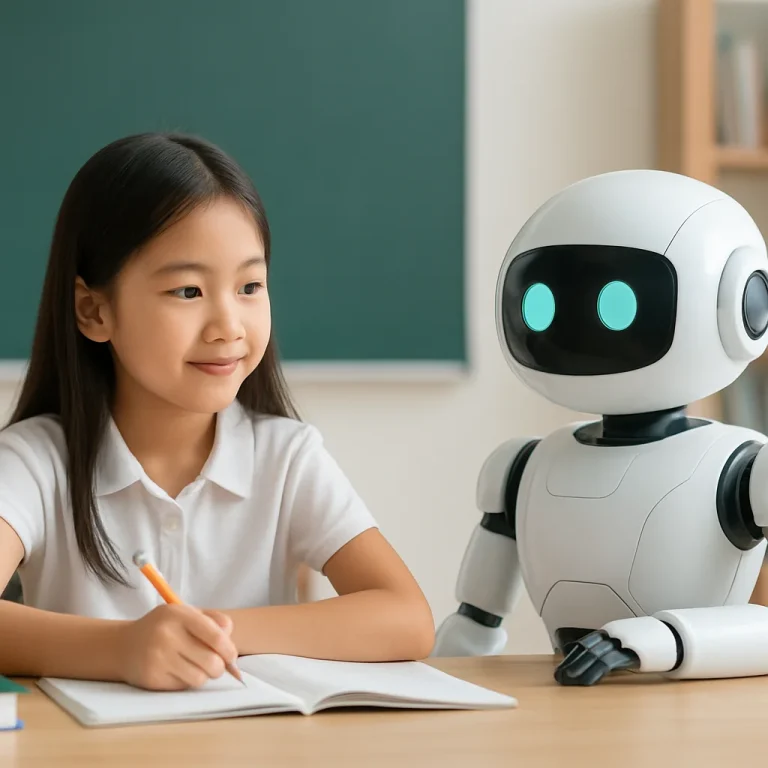
- Enhanced Engagement: Interactive AI tools, such as chatbots and virtual tutors, can keep students engaged and motivated.
- Data-Driven Insights: AI can process vast amounts of data, offering educators insights into student progress and areas that require further attention.
Current Initiatives in Asia
Asia is witnessing a surge in AI initiatives aimed at enhancing K-12 education. Countries like China, India, and Singapore are at the forefront of these efforts, developing AI-powered educational tools and platforms.
China’s AI Education Policies
China has invested heavily in AI education, with policies aimed at integrating AI into the curriculum. Schools are adopting AI tools that assist teachers in grading and provide personalized learning experiences for students.
India’s EdTech Boom
India’s educational technology sector is booming, with startups focusing on AI-driven solutions. Companies are creating platforms that offer personalized learning pathways and AI tutoring services.
Singapore’s AI-Enhanced Learning
Singapore is leveraging AI to enhance its already robust education system. The government has launched initiatives to incorporate AI into classrooms, enabling more interactive and engaging learning experiences.
Case Studies of Successful Implementations
Several organizations are leading the way in utilizing AI in K-12 education across Asia. Let’s examine a few notable case studies:
Sasbadi and Agmo
In Malaysia, Sasbadi and Agmo are collaborating to develop AI solutions that enhance learning experiences for students. Their platforms provide personalized content and feedback, helping students improve their academic performance.
FPT and LG CNS
In Vietnam and South Korea, FPT and LG CNS are pioneering AI education solutions that cater to the unique needs of students in Southeast Asia, ensuring that technology is accessible and effective.
Hong Kong’s Educational Standards
Hong Kong is setting a benchmark for AI education standards across the region. The city’s initiatives aim to create a cohesive framework for AI integration in schools, influencing other Asian countries to follow suit. Insights can be found in this article.
Challenges and Opportunities
While the potential of AI in K-12 education is immense, several challenges must be addressed:
- Data Privacy: Ensuring the privacy and security of student data is paramount, as AI systems often rely on vast amounts of personal information.
- Teacher Training: Educators need adequate training to effectively use AI tools, which requires financial and institutional commitment.
- Equity of Access: There is a risk of widening the digital divide if AI resources are not accessible to all students.
However, these challenges also present opportunities for innovation, collaboration, and policy development. By addressing these issues, stakeholders can create an inclusive and effective AI-driven education system.
Future Outlook for AI in K-12 Education
The future of AI in K-12 education in Asia looks promising. As technology continues to evolve, we can expect further advancements in AI applications that will enhance learning experiences. Potential trends include:
- Increased Collaboration: Partnerships between governments, educational institutions, and technology companies will facilitate the development and implementation of AI solutions.
- Focus on Ethical AI: There will be a growing emphasis on creating ethical AI standards that prioritize student welfare and data protection.
- Global Learning Communities: AI will enable the creation of global classrooms where students from different countries can learn collaboratively.
Conclusion
The integration of AI in K-12 education in Asia is not just a trend; it is a transformative movement that holds the potential to redefine educational practices. As educators, policymakers, and technology innovators continue to collaborate, the future of education in Asia will undoubtedly be shaped by AI. To stay informed about the latest developments and insights in AI education, make sure to explore our other articles and resources.