AI in Vocational Training: Opportunities in Southeast Asia
Understanding AI in Vocational Training
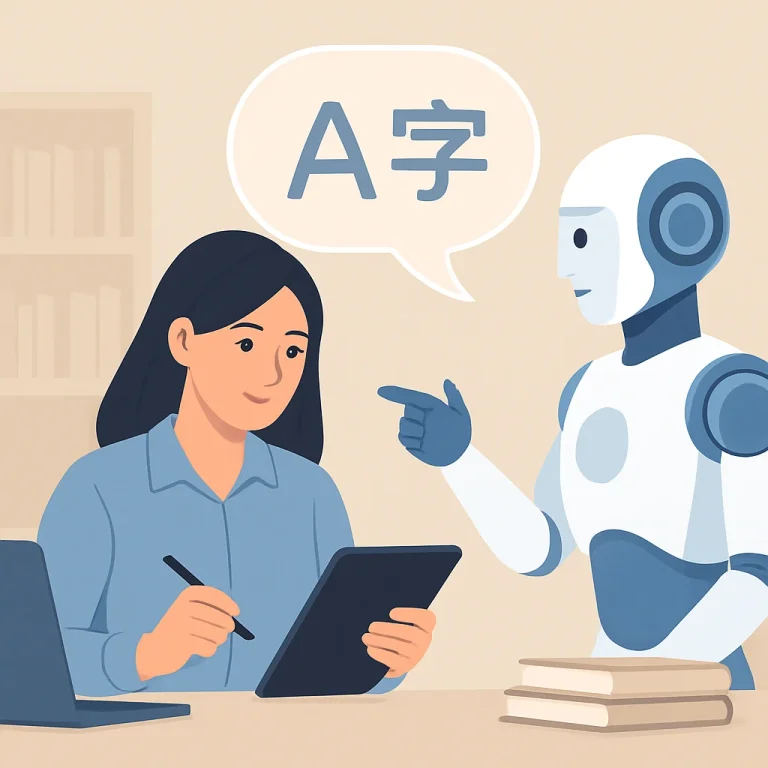
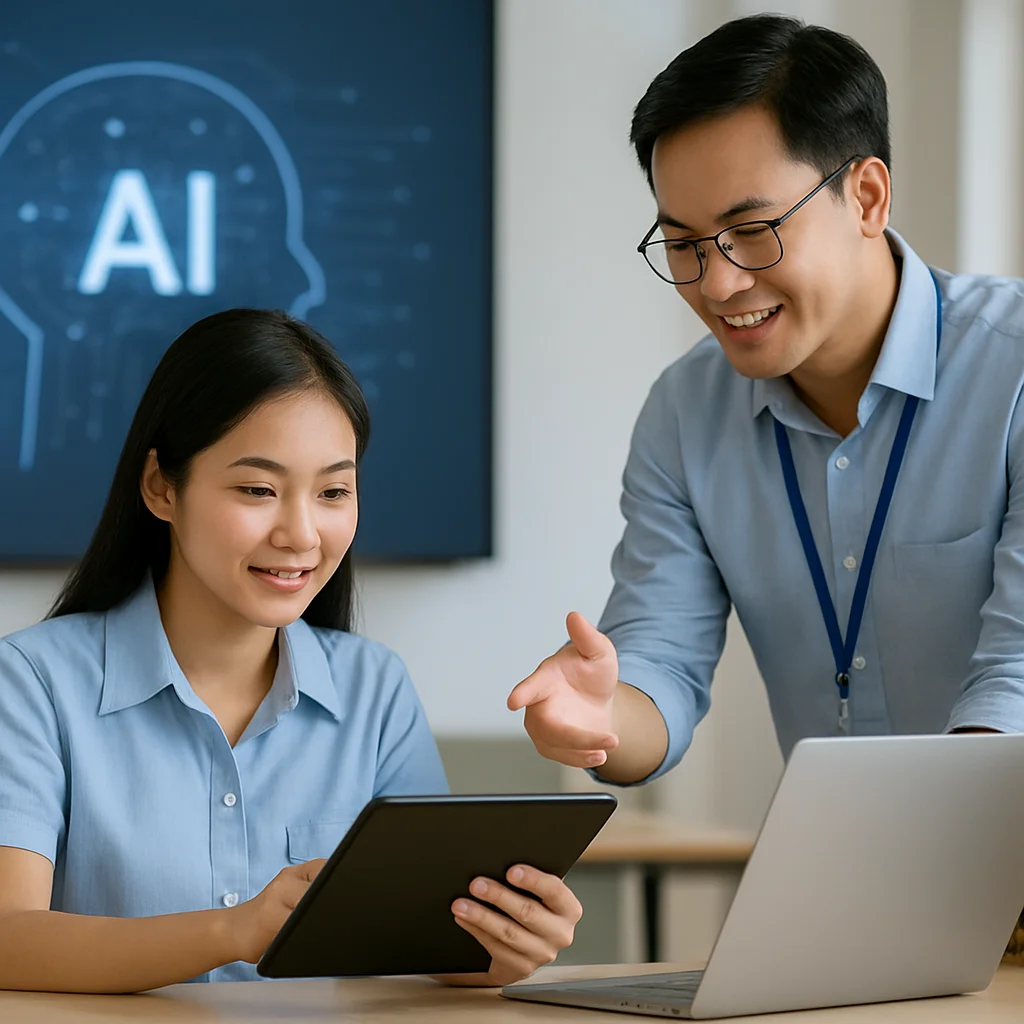
The integration of AI in Vocational Training is reshaping the landscape of education in Southeast Asia. As industries constantly evolve, the need for skilled workers has become critical. AI technologies are stepping in to bridge the skills gap by enhancing training methods and providing personalized learning experiences.
Current Trends and Innovations
Across Southeast Asia, several trends are emerging as AI tools are adopted in vocational training:
- Personalized Learning: AI algorithms can analyze individual learning patterns, allowing educators to tailor content to meet the specific needs of each student.
- Simulations and Virtual Reality: AI-powered simulations provide hands-on training experiences in a safe environment, which is particularly beneficial for fields like healthcare and engineering.
- Automated Assessments: AI can streamline the evaluation process, offering immediate feedback and reducing the administrative burden on educators.
Benefits of AI in Vocational Training
The advantages of incorporating AI into vocational education are numerous:
- Enhanced Engagement: Interactive AI tools make learning more engaging, helping to maintain student interest and motivation.
- Cost-Effectiveness: AI can reduce costs associated with traditional training methods, making vocational education more accessible.
- Scalability: AI solutions can be implemented across various institutions, allowing for widespread access to quality training programs.
Challenges and Considerations
While the opportunities are vast, several challenges need to be addressed to successfully implement AI in Vocational Training:
- Digital Divide: Access to technology remains unequal across the region, particularly in rural areas.
- Training for Educators: Educators must be adequately trained to utilize AI tools effectively, ensuring they can guide students through the new learning landscape.
- Data Privacy: Ensuring the security of student data is critical, as AI systems often rely on personal information to function.
Case Studies and Success Stories
Several organizations in Southeast Asia are already harnessing the power of AI in vocational training:
- Singapore Institute of Technology: This institution uses AI-driven analytics to customize learning pathways for students, significantly improving their outcomes.
- Indonesian Vocational Schools: AI simulations have been implemented in technical training, allowing students to practice skills in real-time scenarios.
- Philippines’ Technical Education and Skills Development Authority (TESDA): They are piloting AI programs to enhance job placement services for graduates.
Future Outlook
The future of AI in Vocational Training in Southeast Asia looks promising. As governments and educational institutions continue to invest in technology, the region will likely see an increase in skilled labor that meets the demands of modern industries. For more insights on AI’s impact on education, check out our article on The Impact of AI on Language Learning in Asia and Exploring AI’s Role in Mental Health Education in Asia.