Exploring AI’s Role in Mental Health Education in Asia
Understanding AI in Mental Health Education
AI in Mental Health Education is emerging as a transformative force in how we approach mental wellness, especially in Asia. With the region’s diverse cultures and growing mental health awareness, integrating artificial intelligence into educational frameworks provides innovative solutions to address mental health challenges.
The Importance of Mental Health Education
Mental health education plays a crucial role in raising awareness, reducing stigma, and providing necessary resources to individuals in need. In Asia, where mental health issues have often been overlooked, there is a growing emphasis on education as a tool for change.
How AI is Enhancing Mental Health Education
AI technologies are revolutionizing mental health education in several ways:
- Personalized Learning: AI can analyze individual learning styles and needs, allowing for tailored educational experiences that resonate with diverse populations.
- Data-Driven Insights: By leveraging big data, AI can provide insights into mental health trends, helping educators and policymakers craft relevant programs.
- Access to Resources: AI-driven platforms can offer a wealth of resources, including virtual counseling and interactive learning modules that are accessible 24/7.
Case Studies of AI in Mental Health Education in Asia
Several initiatives across Asia illustrate the potential of AI in mental health education:
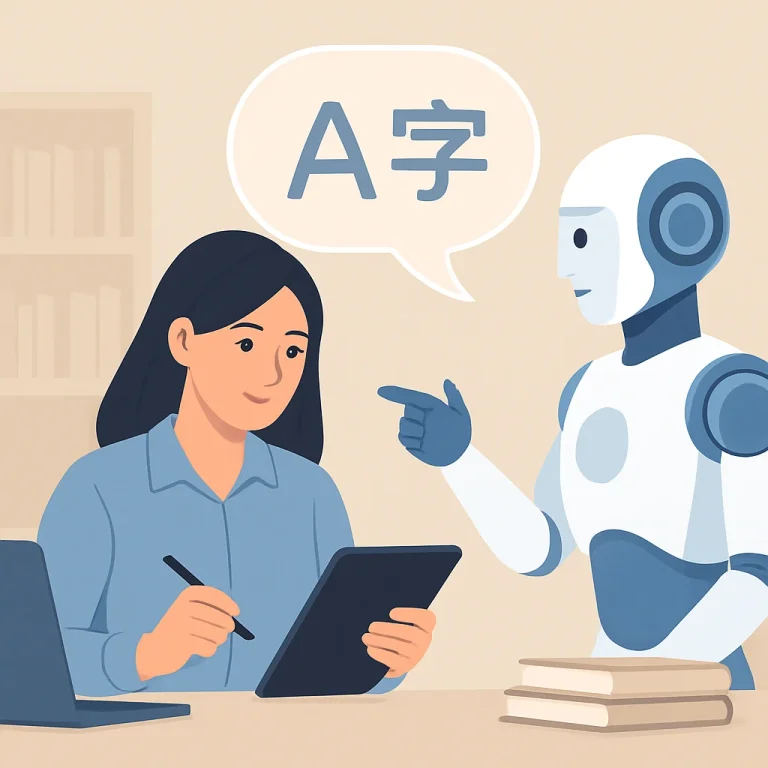
- Chatbots for Counseling: Countries like Japan and Singapore are utilizing AI chatbots to provide immediate support to those seeking mental health resources.
- Mobile Apps: Innovative applications are being developed in South Korea to help users track their mental health and connect with professionals.
- AI-Powered Training Programs: In Malaysia, educational institutions are integrating AI tools to equip educators with the skills needed to address mental health effectively.
Challenges and Considerations
While the benefits of AI in mental health education are evident, several challenges exist:
- Data Privacy: Ensuring the privacy of sensitive mental health data is paramount, requiring stringent regulations and protocols.
- Cultural Sensitivity: AI solutions must be designed with cultural contexts in mind to be effective across diverse Asian societies.
- Technological Access: Bridging the digital divide is essential, as not all individuals have equal access to AI tools and resources.
The Future of AI in Mental Health Education
The future of AI in Mental Health Education looks promising, with continued advancements in technology and a growing commitment to mental wellness. As more institutions embrace these tools, we can expect:
- Increased Collaboration: Partnerships between tech companies and educational institutions to create comprehensive mental health programs.
- Expanded Reach: AI can help extend mental health education to remote areas, ensuring that no one is left behind.
- Integration with Traditional Methods: Combining AI tools with traditional educational methods will provide a holistic approach to mental health education.
Conclusion
AI in Mental Health Education is not just a trend; it’s a necessary evolution in how we approach mental health across Asia. By harnessing the power of AI, we can create more effective, inclusive, and accessible educational resources that empower individuals to prioritize their mental well-being. If you’re interested in exploring more about AI and its impact across various sectors, check out our article on [LINK_TO: latest AI developments in Asia].