AI Training For Non Technical Marketers
Ai Training For Non Technical Marketers · 3 min read
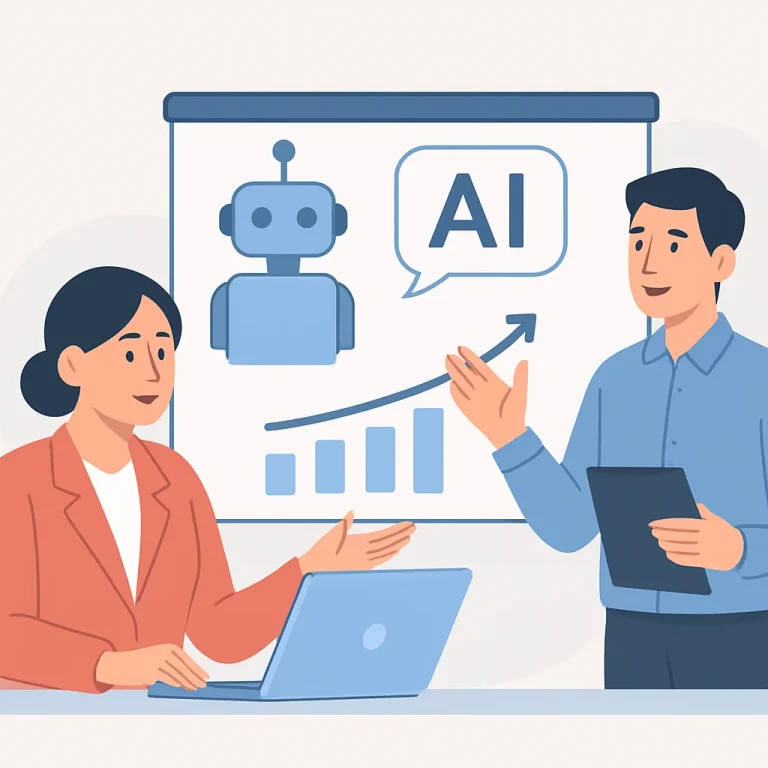
AI training for non-technical marketers focuses on equipping professionals with the knowledge and skills to effectively use AI tools and strategies in their marketing efforts. This article will explore best practices for AI training across various industries, addressing unique challenges and opportunities faced by non-technical marketers.
Marketers today are increasingly expected to understand and utilize AI technologies. With over 80% of marketers recognizing AI as a vital component of their strategic toolkit, it’s crucial for non-technical professionals to gain foundational knowledge in this area. In this article, you’ll learn how to implement effective AI training tailored to different industries, explore practical applications, and discover key resources to enhance your understanding of AI.
Understanding the Need for AI Training
In a rapidly evolving digital landscape, AI has transformed how marketers operate. From predictive analytics to personalized customer experiences, AI offers tools that can significantly enhance marketing strategies. Non-technical marketers often find themselves at a disadvantage without proper training, as they struggle to harness the full potential of these technologies.
The Role of AI in Marketing
AI can automate processes, analyze large datasets, and provide insights that human marketers might overlook. For example, tools like HubSpot’s AI features help in lead scoring and customer segmentation, enabling marketers to focus their efforts more effectively. However, without understanding how these tools work, non-technical marketers may miss out on maximizing their effectiveness.
Best Practices for AI Training
Tailored Training Programs
When developing AI training programs, consider the specific needs of your industry. Here are some tailored approaches:
Hands-On Learning
Theory alone is insufficient; practical application is vital. Encourage marketers to engage with AI tools directly through workshops or online courses. For instance, platforms like Coursera and edX offer courses specifically designed for non-technical professionals, allowing them to learn at their own pace.
Example of Hands-On Training
A successful case study comes from Coca-Cola, which implemented an AI training program for its marketing team. By integrating tools like IBM Watson, they improved their data-driven decision-making process, leading to enhanced campaign effectiveness.
Collaborative Learning Environments
Creating a collaborative learning environment encourages knowledge sharing among team members. Consider forming study groups or hosting AI-focused brainstorming sessions. This not only helps in understanding the tools better but also fosters a culture of innovation.
Industry-Specific AI Applications
Retail Marketing
In retail, AI can personalize customer experiences through data-driven insights. Training should include:
A practical exercise could involve setting up a demo using a chatbot platform, allowing marketers to understand customer interaction metrics.
B2B Marketing
B2B marketers can leverage AI for lead generation and nurturing. Training should emphasize:
Workshops could involve hands-on sessions where marketers analyze real datasets to identify potential leads using AI tools.
Content Marketing
AI can significantly enhance content marketing strategies. Consider:
Training sessions might include practical exercises where marketers create content calendars based on AI analysis of audience preferences.
Measuring the Success of AI Training
To determine the effectiveness of AI training programs, establish clear metrics. Track key performance indicators (KPIs) such as:
Surveys and feedback forms can also provide insights into how well the training resonated with participants.
Continuous Learning and Adaptation
AI technology is constantly evolving. Encourage non-technical marketers to engage in continuous learning through:
Regularly updating training materials will also ensure that marketers stay informed about the latest trends and technologies.
Resources for AI Training
Conclusion
AI training for non-technical marketers is essential in today’s digital landscape. By focusing on industry-specific applications, practical learning experiences, and continuous education, marketers can harness the power of AI effectively.
Investing in these training opportunities not only enhances individual skill sets but also drives overall business success.