Collaborative Learning with AI: Case Studies from Southeast Asia
Understanding Collaborative Learning AI in Southeast Asia
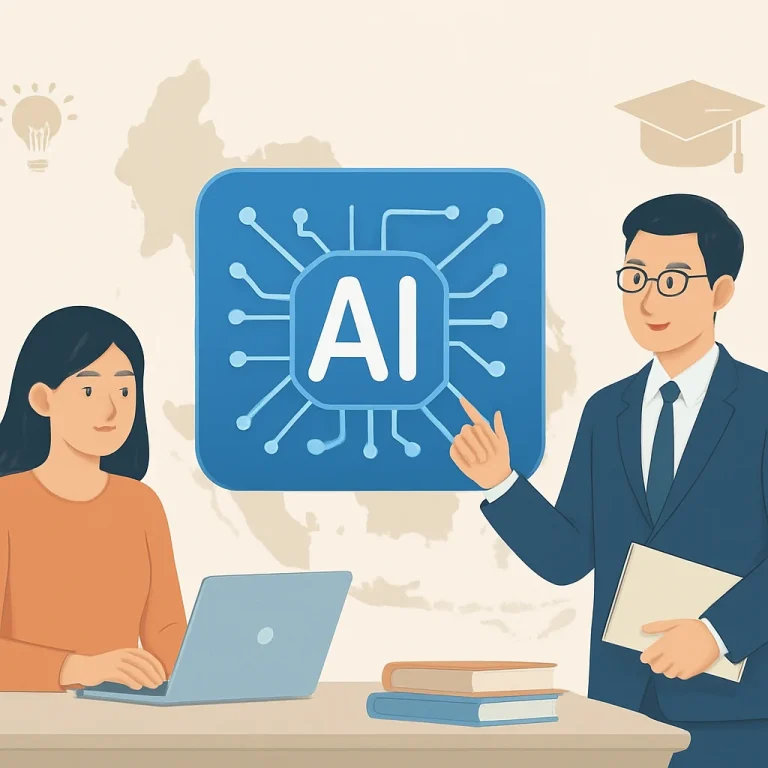
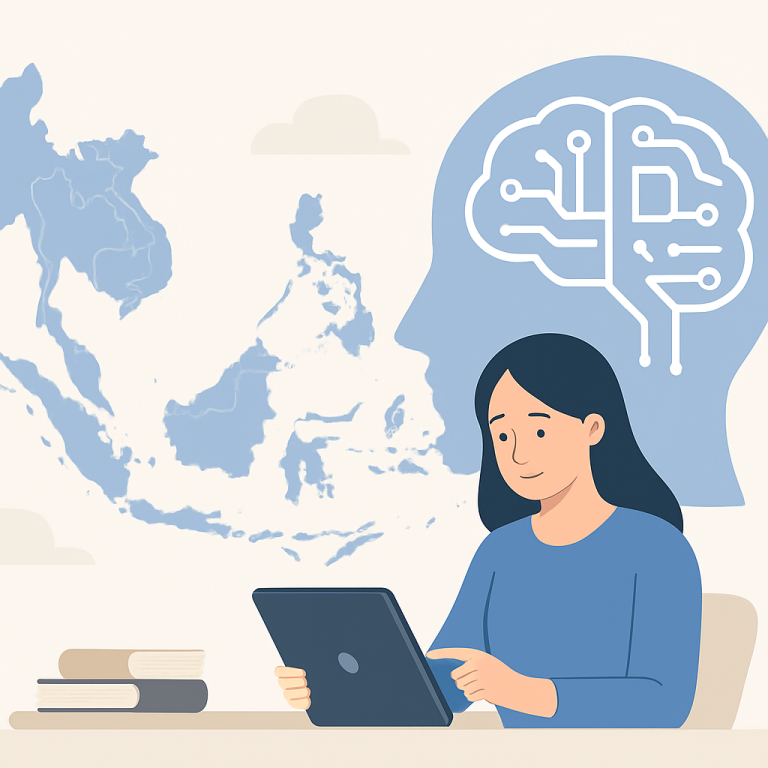
In recent years, collaborative learning AI Southeast Asia has emerged as a transformative force in education. Schools and universities across the region are leveraging artificial intelligence to enhance teamwork, communication, and problem-solving skills among students. This article explores several case studies that illustrate the effective implementation of AI in collaborative learning environments.
Case Study 1: AI-Enhanced Group Projects in Singapore
In Singapore, several educational institutions have integrated AI systems to facilitate group projects. For instance, Nanyang Technological University (NTU) implemented an AI platform that matches students based on their skills and interests. This system not only encourages collaboration but also ensures that students work with peers who complement their strengths.
Case Study 2: Peer Learning Platforms in Malaysia
In Malaysia, the University of Malaya has developed a peer learning platform powered by AI. This platform allows students to connect with one another for group study sessions and collaborative assignments. AI algorithms analyze students’ performance data to suggest ideal study partners, fostering a culture of cooperation and shared learning experiences.
Case Study 3: AI-Driven Feedback Mechanisms in Thailand
Thailand’s Chulalongkorn University has embraced AI-driven feedback mechanisms to enhance collaborative learning. The university uses AI to analyze group discussions and project outcomes. This feedback helps students improve their collaborative skills by identifying areas where they excel and where they might need further development.
Benefits of Collaborative Learning with AI
- Enhanced Communication: AI tools facilitate better communication between students, making it easier to share ideas and resources.
- Personalized Learning: AI can tailor collaborative experiences to fit the unique learning styles and needs of each student.
- Increased Engagement: Interactive AI tools make learning more engaging and enjoyable, encouraging students to participate actively.
The Role of Technology in Collaborative Learning
Technology plays a critical role in fostering collaborative learning environments. AI tools not only support the logistics of group work but also enhance the quality of interactions. For instance, [LINK_TO: AI-Powered Solutions for K-12 Education: Insights from Asia] illustrates how AI can streamline group activities in K-12 settings, making projects more efficient and outcome-oriented.
Future Trends in Collaborative Learning AI
The future of collaborative learning AI Southeast Asia looks promising, with continuous advancements in technology. As institutions invest in AI, we can expect to see more sophisticated tools that facilitate deeper collaboration. For example, virtual reality (VR) and augmented reality (AR) are likely to play significant roles in creating immersive collaborative experiences. [LINK_TO: The Future of AI Education in Asia: Trends and Innovations] discusses these exciting developments further.
Challenges and Considerations
While the benefits of AI in collaborative learning are clear, challenges remain. Issues such as data privacy, equity in technology access, and the need for teacher training are critical considerations. Institutions must address these challenges to maximize the potential of AI in education.
Conclusion
Collaborative learning AI in Southeast Asia is paving the way for innovative educational practices that foster teamwork and communication among students. Through various case studies, it is evident that AI can enhance the collaborative learning experience, making it more personalized and engaging. As we look to the future, embracing these technologies will be essential in shaping the next generation of learners. To learn more about how AI is transforming education, check out [LINK_TO: FPT and LG CNS: Expanding AI-Powered Education Solutions Across Southeast Asia].