FPT and LG CNS: Pioneering AI-Powered Education Solutions in Southeast Asia
The Rise of AI Education Solutions in Southeast Asia
In an era where technology is reshaping various sectors, AI education solutions in Southeast Asia are gaining significant traction. Companies like FPT and LG CNS are at the forefront of this transformation, leveraging artificial intelligence to enhance educational experiences and outcomes across the region. As digitalization accelerates, the importance of innovative educational frameworks cannot be overstated, especially in a post-pandemic world where remote learning has become a necessity.
FPT and LG CNS: Innovators in AI-Powered Learning
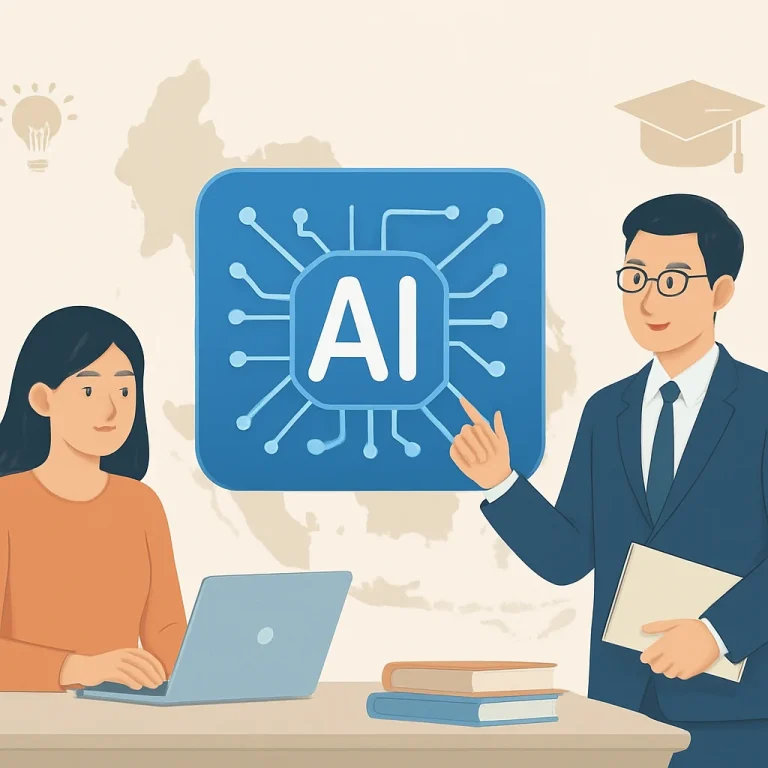
FPT, a leading Vietnamese technology firm, has partnered with LG CNS, a South Korean IT service provider, to introduce cutting-edge AI-driven educational tools. Together, they aim to revolutionize how students learn and teachers instruct, creating interactive and personalized educational experiences. This collaboration not only enhances the quality of education but also equips learners with skills essential for the future job market.
The Current Landscape of Education Technology in Southeast Asia
The education landscape in Southeast Asia is changing rapidly, driven by increased internet penetration and mobile device usage. According to recent studies, the demand for AI education solutions is growing, as educational institutions seek to integrate technology into their curricula. This trend is particularly relevant now, as countries in the region strive to recover from the educational disruptions caused by the COVID-19 pandemic. With governments and private enterprises investing heavily in digital education, the stage is set for AI to play a pivotal role.
Benefits of AI in Education
Implementing AI education solutions comes with numerous advantages, including:
- Personalized Learning: AI can tailor educational experiences to meet individual student needs, improving engagement and understanding.
- Data-Driven Insights: Educators can gain valuable insights from data analytics, enabling them to make informed decisions about teaching strategies.
- Efficiency: AI streamlines administrative tasks, allowing educators to focus more on teaching and less on paperwork.
- Accessibility: AI tools can help bridge educational gaps, providing resources to underserved communities and learners.
Challenges and Considerations
Despite the promising prospects, the integration of AI in education is not without challenges. Issues such as data privacy, the digital divide, and the need for teacher training must be addressed to ensure effective implementation. Furthermore, as highlighted in [LINK_TO: UNESCO’s Round Table on Generative AI: Opportunities and Risks for Education], there are ethical considerations surrounding the use of AI in educational settings that stakeholders must navigate carefully.
Looking Ahead: The Future of AI Education Solutions
As we move forward, the role of AI in education is expected to expand significantly. The collaboration between FPT and LG CNS is a testament to the potential of AI education solutions in Southeast Asia, setting a benchmark for other countries and organizations. Their innovative approaches may inspire further partnerships and initiatives aimed at enhancing educational quality and accessibility.
Conclusion
The future of education in Southeast Asia lies in the effective integration of technology, particularly AI. As organizations like FPT and LG CNS lead the charge in developing AI education solutions, it is crucial for educational institutions to embrace these innovations. By doing so, they will not only improve learning outcomes but also prepare students for a rapidly evolving global landscape. For more insights into the transformative power of AI in education, check out [LINK_TO: How AI Solutions are Empowering SMEs in Asia: A Student Perspective] and [LINK_TO: The Future of AI Education: Insights from the Asia Pacific Edu Summit 2025].