AI in Schools: Opportunities, Challenges & Realities for the Future of Learning
Introduction to AI in Schools
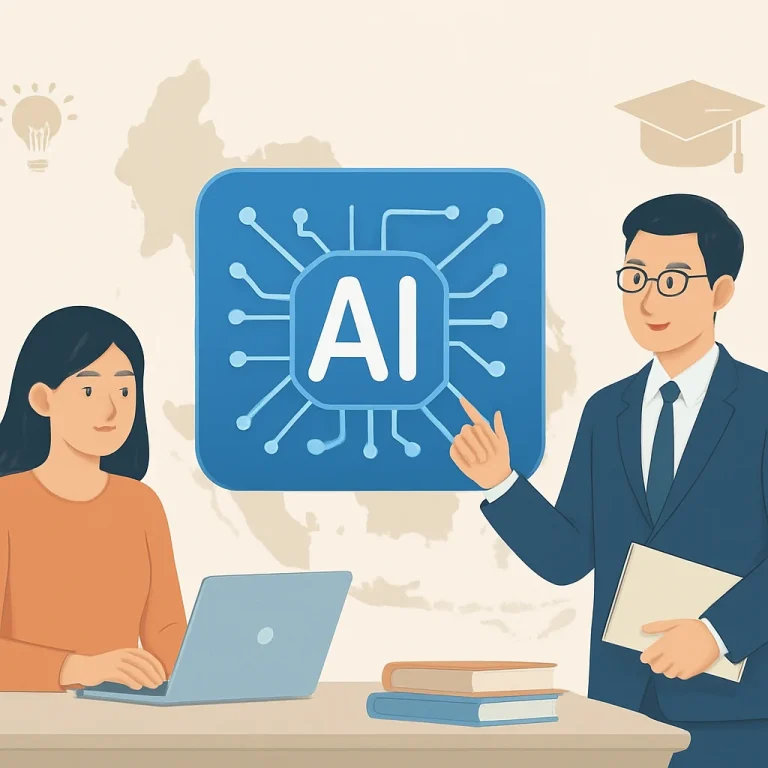
The integration of AI in schools is rapidly transforming education across Asia. This shift is not merely a trend but a necessity as we navigate an increasingly digital world. With the COVID-19 pandemic accelerating the adoption of technology, educational institutions are now more than ever looking to leverage AI to enhance learning experiences, streamline administrative tasks, and prepare students for a future that is heavily reliant on technology.
Opportunities Offered by AI in Education
AI in schools presents numerous opportunities that can reshape the educational landscape:
- Personalized Learning: AI can tailor educational content to meet the unique needs of each student, ensuring that they grasp concepts at their own pace.
- Enhanced Engagement: Interactive AI tools can make learning more engaging through gamification and adaptive learning platforms.
- Efficient Administration: AI can automate administrative tasks such as grading and attendance tracking, allowing educators to focus more on teaching.
- Data-Driven Insights: Educators can use AI analytics to identify students who may need additional support, allowing for timely interventions.
Challenges Facing AI Integration in Schools
While the benefits are clear, implementing AI in schools comes with its own set of challenges:
- Cost of Implementation: Many schools, especially in underfunded areas, may struggle to afford the necessary technology and training.
- Data Privacy Concerns: The use of AI involves collecting and analyzing vast amounts of student data, raising concerns about how this data is stored and used.
- Teacher Training: Educators need proper training to effectively integrate AI tools into their teaching methodologies.
- Equity Issues: There’s a risk that AI can widen the gap between privileged and underprivileged students if access to technology is not equitable.
Realities of AI in Schools Today
As we look at the current landscape of AI in schools, several countries in Asia are leading the charge:
South Korea’s Innovative Approaches
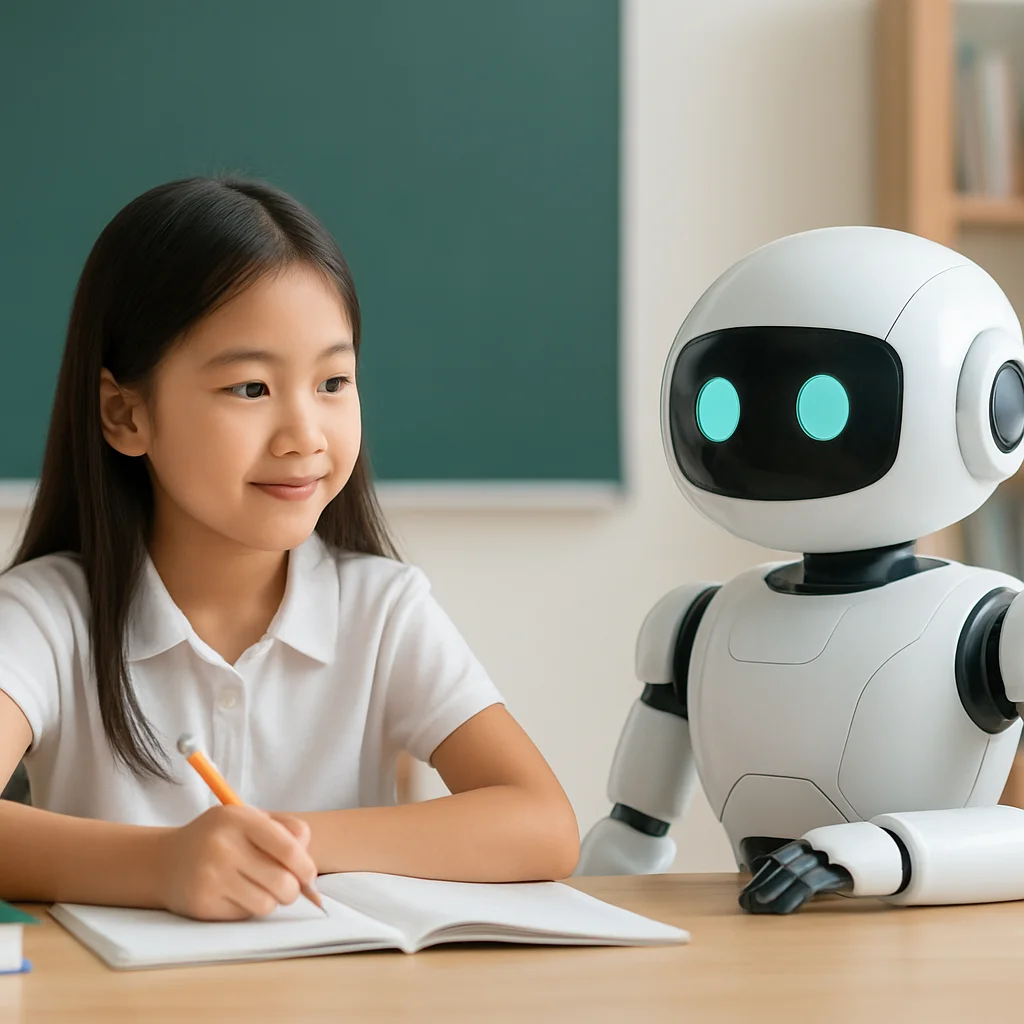
South Korea has been at the forefront of integrating AI into K-12 education, as explored in [LINK_TO: exploring-the-role-of-ai-in-k-12-education-lessons-from-south-korea]. With initiatives that incorporate AI-driven tutoring systems and curriculum enhancements, students are experiencing a more interactive and personalized learning environment.
Hong Kong’s Leadership in AI Education Standards
Hong Kong is setting benchmarks for AI education in Asia. Their focus on creating a robust framework for AI literacy is crucial for ensuring that students are not only consumers of technology but also creators. For more on this, see [LINK_TO: setting-standards-how-hong-kong-is-leading-ai-education-in-asia].
The Future of AI in Schools
Looking ahead, the future of AI in schools seems promising yet requires careful navigation. The emphasis will be on creating a balanced approach that combines technology with human interaction, ensuring that students develop critical thinking skills alongside their tech literacy. As seen in initiatives like the [LINK_TO: future-of-ai-learning-insights-from-celcomdigi-metaversity], educational institutions are experimenting with innovative AI-driven solutions that could redefine how learning occurs.
Conclusion
AI in schools is not just about technology; it’s about enhancing the educational experience for students and teachers alike. As we embrace these changes, it’s essential to address potential challenges to create a more equitable and effective learning environment. If you’re interested in diving deeper into the world of AI in education, check out our resources like [LINK_TO: introduction-to-ai-in-asia-trends-and-opportunities] and [LINK_TO: understanding-ai-basics-a-comprehensive-guide-for-beginners]. Join us in shaping the future of learning!