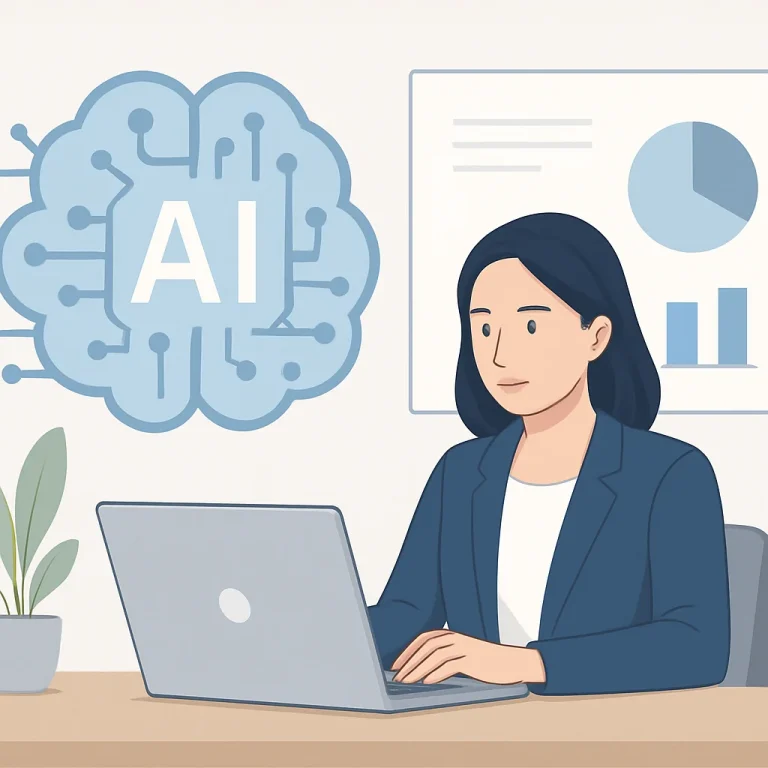
AI Productivity Training For Beginners
Ai Productivity Training For Beginners · 4 min read
AI productivity training for beginners equips executives with essential skills to integrate artificial intelligence into their leadership strategies. This training focuses on understanding AI concepts, tools, and their applications in enhancing workplace efficiency and decision-making. By the end of this article, you’ll learn key strategies to leverage AI for productivity and innovation in your organization.
Artificial intelligence is transforming the business landscape across Asia, and executives must adapt to this change. This guide will explore tailored strategies for leadership, emphasizing practical applications of AI tools, effective training methods, and real-world examples of successful implementation. You’ll also discover how to cultivate a culture of innovation and continuous learning within your organization.
Understanding AI and Its Importance for Executives
What Is AI?
Artificial Intelligence (AI) refers to machines designed to mimic human intelligence. This includes the ability to learn, reason, and problem-solve. Executives can use AI to analyze data, improve customer experiences, and optimize operations. For instance, companies like Alibaba and Tencent have successfully integrated AI to streamline processes and enhance service delivery.
Why Executives Should Embrace AI
In today’s fast-paced environment, leaders must leverage AI to stay competitive. AI can provide insights that inform strategic decisions, enhance productivity, and drive innovation. A McKinsey report revealed that companies harnessing AI saw a 20-30% increase in productivity. As an executive, understanding how to implement AI strategies is crucial for future success.
Key Components of AI Productivity Training
1. Defining Learning Objectives
Establish clear learning objectives for your AI productivity training. Consider what specific skills you want participants to gain, such as:
2. Selecting the Right AI Tools
The selection of AI tools is vital. Popular tools include:
Choose tools that align with your organization’s goals and train your teams on their effective usage.
3. Hands-on Training Sessions
Combining theory with practical applications is essential. Conduct workshops where executives can interact with AI tools, analyze data sets, and engage in real-world scenarios. For instance, a session on using Google Cloud AI for data-driven decisions can significantly enhance understanding.
4. Encouraging Collaboration
Foster a collaborative learning environment. Encourage teams to share insights and experiences with AI implementation. This can be achieved through:
Collaboration enhances learning and helps apply AI concepts effectively.
5. Continuous Learning and Development
AI is an ever-evolving field. Offer ongoing training and resources to keep executives updated on the latest trends and tools. You can provide access to online courses, webinars, and industry conferences. For example, Coursera offers specialized AI courses that executives can utilize.
Tailoring AI Training for Different Leadership Levels
Training for Senior Executives
Senior executives often require a strategic overview of AI. Focus on:
Training for Mid-Level Managers
Mid-level managers should learn about operational applications of AI. Concentrate on:
Training for Junior Staff
For junior staff, the focus should be on foundational knowledge. Cover:
Real-World Examples of AI Implementation in Leadership
Case Study: DBS Bank
DBS Bank in Singapore has successfully integrated AI across its operations. By employing AI-driven chatbots, they improved customer service response times. The bank reports a 30% reduction in operational costs due to enhanced efficiency. This example highlights how executives can leverage AI to improve both customer satisfaction and financial performance.
Case Study: Grab
Grab, the ride-hailing and food delivery app, uses AI to optimize route planning and enhance user experiences. By analyzing data on traffic patterns and customer preferences, Grab has improved service delivery times significantly. Executives should consider similar strategies to enhance operational efficiency in their organizations.
Building a Culture of Innovation
1. Encouraging Experimentation
Create an environment where experimentation is encouraged. Allow teams to pilot AI tools and develop innovative solutions without the fear of failure. This fosters a growth mindset and enhances employee engagement.
2. Recognizing and Rewarding Innovation
Recognize and reward teams that successfully implement AI initiatives. This can motivate others to explore AI-driven solutions and contribute to a culture of continuous improvement.
3. Establishing Feedback Loops
Implement feedback mechanisms to gather insights on AI initiatives. Regularly evaluate the effectiveness of AI tools and training programs. This ensures that your organization remains agile and responsive to change.
Challenges and Trade-Offs in AI Training
1. Data Privacy Concerns
With AI’s reliance on data, privacy concerns are paramount. Ensure that all training emphasizes the importance of data ethics. Executives must navigate regulations such as the General Data Protection Regulation (GDPR) and local laws in Asia.
2. Resistance to Change
Some employees may resist adopting AI technologies. It’s essential to address concerns and emphasize the benefits of AI. Providing success stories can help alleviate fears and encourage acceptance.
3. Cost of Implementation
AI training and tool adoption can be costly. However, the potential return on investment through enhanced productivity and efficiency often outweighs the initial costs. Executives should evaluate the long-term benefits when considering AI initiatives.
Final Thoughts
AI productivity training for beginners is crucial for executives looking to enhance their leadership capabilities. By understanding AI fundamentals, selecting relevant tools, and fostering a culture of innovation, leaders can drive their organizations toward greater efficiency and success. Continuous learning and adaptation are key in this dynamic landscape, ensuring that executives remain at the forefront of AI advancements.
[INTERNAL LINK: AI Tools for Leaders]
[IMAGE: executives in training + alt text: executives participating in AI training session]
[IMAGE: AI tools on a laptop + alt text: overview of AI productivity tools]