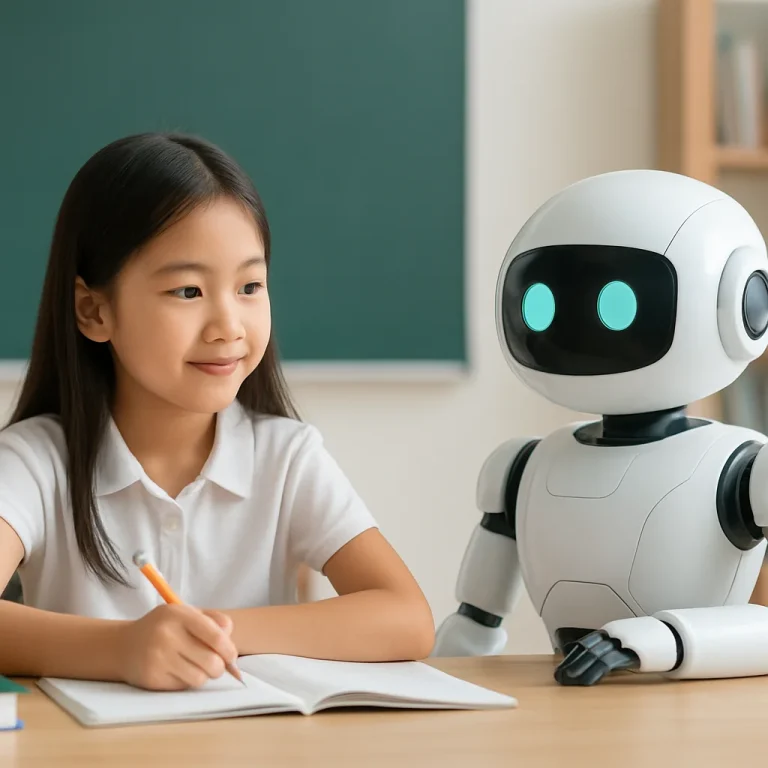
How DepEd and Microsoft are Shaping AI-Driven Learning in 2026
Table of Contents
- Introduction
- The Role of DepEd in AI-Driven Learning
- Microsoft’s Contribution to AI-Driven Learning
- Case Studies and Success Stories
- Future Trends in AI-Driven Learning
- Conclusion
Introduction
In recent years, the concept of AI-driven learning Philippines has gained significant traction, particularly with the collaboration between the Department of Education (DepEd) and Microsoft. As we look towards 2026, it’s clear that this partnership is revolutionizing how education is delivered across the archipelago, paving the way for an innovative and engaging learning environment.
The Role of DepEd in AI-Driven Learning
DepEd has been at the forefront of integrating technology into the Philippine education system. Their initiatives focus on enhancing the quality of education by leveraging AI tools that cater to diverse learning needs.
- Curriculum Development: DepEd is updating curricula to include AI literacy, ensuring that students are equipped with the necessary skills for the future.
- Teacher Training: Professional development programs are being implemented to train teachers on how to effectively use AI tools in the classroom.
- Access to Resources: By partnering with tech giants like Microsoft, DepEd is providing access to a wealth of digital resources that enhance learning experiences.
Microsoft’s Contribution to AI-Driven Learning
Microsoft has played a pivotal role in the push towards AI-driven learning Philippines. Through its various programs, the company has made significant investments in educational technology.
- Microsoft Education Platform: This platform offers tools and resources that help teachers create interactive and personalized learning experiences.
- AI Tools: Microsoft provides AI solutions that can assist in grading, feedback, and student assessment, allowing educators to focus more on teaching.
- Collaboration with Schools: Microsoft collaborates with schools to implement AI-driven programs that meet specific educational needs.
Case Studies and Success Stories
Several schools across the Philippines have already begun integrating AI-driven learning tools with promising results.
- Case Study 1: A school in Metro Manila adopted AI-based personalized learning programs that increased student engagement and improved academic performance.
- Case Study 2: In rural areas, AI tools have helped bridge the resource gap by providing access to quality educational content and interactive learning experiences.
These stories exemplify the potential of AI in creating tailored learning experiences that cater to individual student needs.
Future Trends in AI-Driven Learning
The future of AI-driven learning Philippines looks promising, with several trends on the horizon:
- Increased Personalization: AI will enable even deeper personalization of learning experiences, adapting to the pace and style of each student.
- Data-Driven Insights: Schools will rely more on data analytics to inform teaching strategies and improve student outcomes.
- Collaboration with Global Experts: Partnerships with organizations like [LINK_TO: boosting AI skills in APAC: insights from Thinking Machines & OpenAI] will enhance local capabilities.
Conclusion
As we approach 2026, the impact of AI-driven learning in the Philippines is undeniable. With DepEd and Microsoft’s collaborative efforts, the framework for a more effective and engaging educational environment is being laid. The integration of AI tools not only enhances learning but also prepares students for a future where technology and education go hand in hand. For educators and students alike, embracing these changes is key to unlocking new possibilities in learning.
To stay updated on the latest advancements in AI education, explore more articles like [LINK_TO: AI in Education: Lessons from Hallym University’s Demo Day] and [LINK_TO: The Future of AI Education in Asia: Trends and Innovations]. Let’s embrace the future of learning together!